Health Benefits of Dates Fruit

Dates are the fruit of the date palm tree, which is grown in many tropical regions of the world. Dates have become quite popular in recent years.

Almost all dates sold in Western countries are dried.

You can tell whether or not dates are dried based on their appearance. A wrinkled skin indicates they are dried, whereas a smooth skin indicates freshness.

Depending on the variety, fresh dates are fairly small in size and range in color from bright red to bright yellow. Medjool and Deglet Noor dates are the most commonly consumed varieties.

Dates are chewy with a sweet flavor. They are also high in some important nutrients and have a variety of advantages and uses.

This article will discuss 8 health benefits of eating dates and how to incorporate them into your diet.

Date palm are high in fibre which may be beneficial for preventing constipation and controlling blood sugar.

  1. High in Disease-Fighting Antioxidants

Dates provide various antioxidants that have a number of health benefits to offer, including a reduced risk of several diseases.
Antioxidants protect your cells from free radicals, which are unstable molecules that may cause harmful reactions in your body and lead to disease.
Compared to similar types of fruit, such as figs and dried plums, dates appear to have the highest antioxidant content.
These are the three most potent antioxidants in dates:

Carotenoids: Carotenoids are proven to promote heart health and may also reduce the risk of eye-related disorders, such as macular degeneration.

Flavonoids: Flavonoids are powerful antioxidants that may help reduce inflammation and have been studied for their potential to reduce the risk of diabetes, Alzheimer’s disease and certain type of cancer.

Phenolic acid: Known for its anti-inflammatory properties, phenolic acid may help lower the risk of cancer and heart disease.

  1. Improves bone health

Dates could do wonders for your bone health too. Yes, you heard us. Dates are rich in selenium, manganese, copper, and magnesium, and all of these are required when it comes to keeping our bones healthy, and preventing conditions such as Osteoporosis (a medical condition that makes bone brittle and become susceptible to fracture with or without accident)

  1. Treatment of Erectile problems and Infertility

Dates are highly beneficial in the treatment of sexual dysfunctions, recent studies revealed that high levels of zinc, vitamin B6, estradiol and flavonoids which are found in dates helped increase sperm count and motility. Dates were found to increase the testes size and weight. A handful of dates should be soaked in fresh goat milk overnight and grounded in same milk in the morning. Add a pinch of cardamom powder and honey and then mix thoroughly. This is an effective tonic for improving sexual stamina, endurance and sterility due to functional disorders.

  1. Treatment of Intestinal Disturbances

Research shows that dates contains amino acids and soluble and insoluble fibers which stimulates easy digestion of food and ensures quick passage through the gastrointestinal tract. The high soluble fiber content of dates is an effective remedy for intestinal disorders, they inhibit or prevent the growth of harmful pathological organisms and promote the growth of intestinal bacteria.

  1. Improves skin

The vitamin C and D works on your skin’s elasticity, and also keeps your skin smooth. Plus, if you suffer from skin problems, incorporating dates into your diet might help you in the long run. Plus dates also come with anti ageing benefits, and prevent the accumulation of melanin in your body.

Sources:

Health lines

Food ndtv

How To Improve Your Eye Sight With Foods

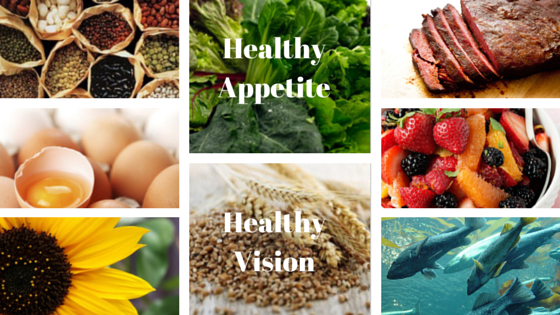
One powerful and simple step you can take in protecting your precious sense of sight is by taking mindful steps around your diet; watch what you eat. We don’t often connect the dots between our vision and what we had for breakfast, lunch or dinner but we should. When we bring a sense of intention to what we eat, we empower ourselves to better care for our vision long before a visit to the eye doctor is required.

So, we thought we’d give you a hand by providing you a quick “check list” of foods that are powerful health agents and high in antioxidants. This way the next time you’re out to grab a bite to eat or you’re at the grocery store shopping for your weekly meal plans, you’ll have a head start on what to include on your food list.

Fish
Cold-water fish such as salmon, tuna, sardines and mackerel are rich in omega-3 fatty acids, which may help protect against dry eyes, macular degeneration and even cataracts. If you don’t eat seafood, you can get a good supply of omega-3s by using fish oil supplements or taking vegetarian supplements that contain black currant seed oil or flaxseed oil.

Leafy Greens
Spinach, kale and collard greens, to name just a few, are packed full of lutein and zeaxanthin, important plant pigments that can help stem the development of macular degeneration and cataracts. Broccoli, peas and avocados are also good sources of this powerful antioxidant duo.

Eggs
The vitamins and nutrients in eggs, including lutein and vitamin A (which may protect against night blindness and dry eyes), promote eye health and function.

Whole Grains
A diet containing foods with a low glycemic index (GI) can help reduce your risk for age-related macular degeneration. Swap refined carbohydrates for quinoa, brown rice, whole oats and whole-wheat breads and pasta. The vitamin E, zinc and niacin found in whole grains also help promote overall eye health.

Citrus Fruits and Berries
Oranges, grapefruits, lemons and berries are high in vitamin C, which may reduce the risk of cataracts and macular degeneration.

Carrots
Carrots are rich in both Vitamin A and beta carotene. Beta carotene gives carrots their orange color.

Vitamin A plays an essential role in vision. It is a component of a protein called rhodopsin, which helps the retina to absorb light.

Research on beta carotene’s role in vision is mixed, though the body needs this nutrient to make vitamin A.

Sweet potatoes
Like carrots, sweet potatoes are rich in beta carotene. They are also a good source of the antioxidant vitamin E.

Legumes
Kidney beans, black-eyed peas and lentils are good sources of bioflavonoids and zinc — and can help protect the retina and lower the risk for developing macular degeneration and cataracts.

Fish Oil, Flaxseed Oil and Black Currant Seed Oil
These super supplements contain omega-3 fatty acids and have many eye health benefits, including helping to prevent or control dry eye syndrome as well as reduce the risk of macular degeneration and cataracts.

Sunflower Seeds
Help keep your eyes healthy and disease-free by snacking on sunflowers seeds, which are excellent sources of vitamin E and zinc.

Diabetes mellitus kills more than HIV! Read This Article To Know Your Health Status of It.

Diabetes mellitus is a disease condition due to the inability of the body to make use of Insulin- a hormone that regulates carbohydrate metabolism. Diabetes mellitus is a common disease but unfortunately, many victims may not be aware of the condition. Diabetes can leads to serious complications.

Causes of Diabetes mellitus

The exact causes is unknown but heredity may play an important role in the development of Diabetes. Individuals whose parents have diabetes are more likely to be Diabetics. This fact does not necessarily mean that, children of Diabetic patient will have the disease. Some other factors are known to predispose a person to developing the disease and they include: Excessive weight gain (obesity), smoking, high blood pressure, elevated cholesterol levels, lack of exercise. Etc

Types of Diabetes mellitus

1. Type 1 (insulin dependent): results from the body’s failure to produce insulin, and the patient need daily injection of insulin.

2. Type 2 (non insulin dependent): results from insulin resistance, a condition in which cells fail to use insulin properly. In this case there is sufficient insulin but it is not effective in facilitating the entery or up take of glucose into the cells for energy production. Some drugs are taken orally to aid the utilization of glucose by the cells.

Signs and Symptoms

* Excessive thirst

* Sexual weakness

* Numbness

* Burning sensation in the limbs

* In woman, history of delivery of very large babies, still birth and abortion.

Complications of Diabetes mellitus

1. The kidney- causing kidney failure and Hypertension

2. The Eyes- causing poor vision including Cataracts

3. The Heart- causing heart attack

4. The Nerves- causing pain, loss of feeling in the legs.

Management of Diabetes mellitus

Weight reduction activities.

Strict compliance to drugs management.

Follow advice strictly on diet.

Strict compliance to appointment with medical Practitioner.

Design a site like this with WordPress.com
Get started